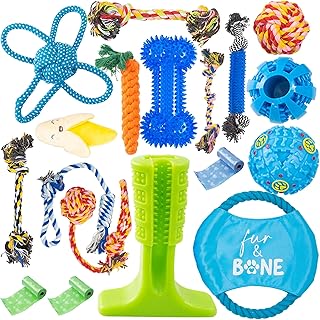
Best Dog Toy Materials: Rubber, Rope, Plush - Complete Guide to Choosing Safe and Durable Options
Selecting appropriate materials for dog toys represents one of the most critical decisions pet owners make when considering safety, durability, and entertainment value for their canine companions. The material composition of dog toys directly influences not only how long the toy will last under regular use, but also the safety profile, cleaning requirements, and specific benefits provided to dogs with different play styles, chewing intensities, and individual preferences. Understanding the characteristics, advantages, and limitations of primary toy materials—including rubber, rope, and plush options—enables informed purchasing decisions that maximize value while ensuring optimal safety standards for dogs of all sizes, ages, and activity levels. The complexity of modern pet toy manufacturing has introduced numerous variations within each material category, making comprehensive understanding of material properties essential for navigating the extensive options available in today's marketplace while avoiding products that may pose safety risks or fail to provide expected durability and entertainment benefits.
The evolution of dog toy materials reflects advances in manufacturing technology, increased understanding of canine behavior and safety requirements, and growing consumer demand for products that combine entertainment value with health benefits and environmental responsibility. Traditional materials such as natural rope and basic rubber compounds have been enhanced through modern processing techniques that improve safety, durability, and functionality while maintaining the fundamental characteristics that make these materials effective for canine entertainment. The introduction of specialized synthetic materials, organic alternatives, and hybrid constructions has expanded options while creating new considerations for pet owners who must evaluate increasingly complex product specifications and marketing claims. Material science innovations continue to drive improvements in toy performance while addressing historical limitations that affected durability, safety, or functionality in specific applications or for particular types of dogs with unique needs or preferences.
Understanding Material Safety Standards
Safety standards for dog toy materials encompass multiple regulatory frameworks, industry guidelines, and testing protocols designed to ensure products meet minimum safety requirements while preventing harmful exposures to toxic substances, choking hazards, or structural failures that could endanger canine health and wellbeing. Regulatory oversight varies significantly between countries and jurisdictions, with some regions implementing comprehensive testing requirements for pet products while others rely primarily on manufacturer self-regulation and voluntary compliance with industry standards. The complexity of global supply chains and manufacturing processes creates additional challenges for ensuring consistent material quality and safety compliance across different products and brands, making informed consumer evaluation increasingly important for pet safety protection. Understanding relevant safety standards helps pet owners identify products that have undergone appropriate testing while recognizing marketing claims that may not reflect meaningful safety certifications or oversight.
Chemical safety considerations for dog toy materials include evaluation of potential toxic substances, manufacturing additives, colorants, and preservatives that may pose health risks through ingestion, prolonged contact, or inhalation during normal use or aggressive chewing activities. Heavy metals, phthalates, formaldehyde, and other potentially harmful chemicals have been identified in some pet products, highlighting the importance of selecting toys from reputable manufacturers who implement comprehensive testing protocols and quality control measures. The bioaccumulation potential of certain chemicals creates long-term health concerns that may not become apparent through short-term exposure, making precautionary approaches to material selection particularly important for toys that receive frequent use over extended periods. Certification programs and third-party testing initiatives provide additional assurance for products that meet enhanced safety standards beyond minimum regulatory requirements.
Physical safety standards address structural integrity, appropriate sizing, and design features that prevent choking, intestinal blockage, or injury during normal use while accounting for different dog sizes, chewing intensities, and play behaviors that influence risk factors. Standardized testing protocols evaluate material strength, tear resistance, and degradation patterns under simulated use conditions that help predict real-world performance and identify potential failure modes that could create safety hazards. The relationship between material hardness and dental safety requires careful balance between durability and tooth protection, with excessively hard materials posing risks of dental damage while overly soft materials may fail to provide appropriate resistance or create choking hazards through rapid breakdown. Understanding these physical safety considerations helps guide material selection based on individual dog characteristics and intended use patterns while maintaining appropriate safety margins.
Rubber Dog Toys: Comprehensive Analysis
Natural rubber represents the premium standard for dog toy construction, offering exceptional durability, flexibility, and safety characteristics that make it ideal for dogs with aggressive chewing habits while providing excellent bounce and texture properties that enhance play value and engagement. High-quality natural rubber toys typically feature consistent material density, superior tear resistance, and predictable wear patterns that allow for safe long-term use without unexpected structural failures or dangerous fragment production. The elasticity of natural rubber provides satisfying resistance during chewing while accommodating different jaw pressures and chewing styles without becoming damaged or creating safety hazards through material breakdown or deformation. Natural rubber also offers excellent cleanability and sanitization properties that support hygiene maintenance while resisting bacterial growth and odor retention that can affect other materials over time.
Synthetic rubber compounds used in dog toy manufacturing offer cost advantages and consistency benefits while providing customizable properties that can be engineered for specific applications, durability requirements, or safety considerations based on intended use patterns and target demographics. Modern synthetic rubber formulations often incorporate enhanced tear resistance, improved flexibility characteristics, and specialized additives that provide benefits such as antimicrobial properties, enhanced grip textures, or specific hardness levels optimized for different dog sizes and chewing intensities. The manufacturing flexibility of synthetic rubber allows for complex shapes, integrated features, and specialized designs that may not be achievable with natural materials while maintaining cost-effectiveness that makes quality toys accessible to broader consumer markets. Quality variations among synthetic rubber compounds require careful evaluation of manufacturer specifications and testing standards to ensure appropriate safety and performance characteristics.
The texture variations possible with rubber materials range from smooth surfaces ideal for fetch and retrieval activities to heavily textured options that provide enhanced grip, dental cleaning benefits, and sensory stimulation during chewing and manipulation activities. Textural features such as ridges, nubs, grooves, and specialized patterns can be integrated into rubber toy designs to provide specific benefits including plaque removal, gum massage, and enhanced entertainment value through varied tactile experiences. The relationship between texture complexity and cleaning requirements must be considered, as more intricate surface features may require additional maintenance while providing enhanced functionality for specific applications. Understanding texture options helps match rubber toys to individual dog preferences and needs while balancing functionality with practical maintenance considerations.
Durability characteristics of rubber toys depend on material quality, manufacturing processes, design features, and individual dog chewing intensity, with high-quality options often providing months or years of regular use while lower-quality alternatives may fail within days or weeks under similar conditions. The predictable wear patterns of quality rubber toys allow pet owners to monitor condition and plan replacements before safety issues develop, while also providing indicators of appropriate sizing and material selection for individual dogs. Puncture resistance, tear propagation control, and structural integrity under stress represent key durability factors that distinguish premium rubber toys from budget alternatives that may pose safety risks through unexpected failures or rapid degradation. Investment in quality rubber toys typically provides superior cost-effectiveness through extended usable life while maintaining safety standards throughout the product lifespan.
Rope Dog Toys: Natural Fiber Benefits
Cotton rope toys offer exceptional dental health benefits through natural flossing action that helps remove plaque and debris from between teeth while providing satisfying chewing experiences that encourage regular use and promote oral hygiene maintenance through enjoyable play activities. The fibrous structure of quality cotton rope creates effective mechanical cleaning action as dogs chew and manipulate the toy, with individual fibers working between teeth to disrupt bacterial colonies and remove accumulated deposits that contribute to dental disease development. Natural cotton fibers are generally safe for incidental ingestion in small quantities during normal use, breaking down harmlessly in the digestive system while providing cleaning benefits without posing significant health risks when appropriate supervision and replacement schedules are maintained. The biodegradable nature of cotton rope supports environmental responsibility while ensuring that any consumed material does not accumulate in the digestive system or create long-term health concerns.
People Also Look For:
- PAWSPURR Squeaky Dog Toys, Soft Plush Stuffed Dog Toys with Crinkle Paper, Teeth Cleaning Dog Toys for Samll to Large Dogs
- Outward Hound Nina Ottosson Interactive Dog Toys - Beginner Level 1 - Dog Puzzle Toys & Treat Dispenser for Boredom Relief, Mental...
- Dog Chew Toys Indestructible for Dog Teeth Cleaning,Squeaky Dogs Chew Toys for Aggressive Chewers,Natural Rubber Dog Teething Chew...
- SHARLOVY Large Tough Chew Toys for Aggressive Chewers Large Breed,Heavy Duty Dental Rope Toys Kit for Medium Dogs,5 Knots Indestru...
- Outward Hound Nina Ottosson Interactive Dog Toys - Beginner Level 1 - Dog Puzzle Toys & Treat Dispenser for Boredom Relief, Mental...
Hemp rope represents an increasingly popular alternative that offers superior durability compared to cotton while maintaining natural fiber benefits and providing enhanced resistance to bacterial growth and moisture retention that can affect the longevity and hygiene of rope toys. The natural antimicrobial properties of hemp fibers help prevent odor development and bacterial accumulation while providing excellent strength characteristics that resist premature wear and structural failure under aggressive chewing conditions. Hemp cultivation requires minimal pesticides and environmental resources compared to cotton production, making hemp rope toys attractive options for environmentally conscious pet owners who prioritize sustainable materials without compromising performance or safety characteristics. The coarser texture of hemp rope may provide enhanced dental cleaning action compared to softer cotton alternatives while maintaining safety profiles appropriate for regular use by most dogs.
Synthetic rope materials including nylon and polypropylene offer enhanced durability and consistency compared to natural fiber alternatives while providing predictable performance characteristics and resistance to environmental factors that may affect natural materials over time. High-quality synthetic rope toys feature controlled fiber release patterns that minimize ingestion risks while maintaining cleaning effectiveness through mechanical action during chewing and play activities. The chemical resistance of synthetic fibers allows for more aggressive cleaning and sanitization procedures while maintaining structural integrity and safety characteristics throughout extended use periods. Manufacturing control over synthetic fiber properties enables optimization for specific applications including different tensile strengths, texture characteristics, and wear patterns that can be customized for different dog sizes and chewing intensities.
Safety considerations for rope toys include monitoring for excessive fiber consumption, fraying patterns that may create choking hazards, and wear indicators that signal replacement needs before safety issues develop during continued use. Appropriate sizing prevents choking while ensuring adequate cleaning action across different areas of the mouth, with length and thickness specifications requiring careful matching to individual dog mouth dimensions and chewing capabilities. Supervision requirements vary based on individual dog chewing intensity and consumption tendencies, with some dogs requiring closer monitoring due to aggressive chewing or tendency to consume large quantities of fiber material during play sessions. Regular inspection protocols help identify wear patterns, structural changes, or hygiene issues that require attention while maintaining safety standards throughout the product lifespan.
Plush Dog Toys: Comfort and Companionship
Plush toy materials serve unique psychological and emotional needs for many dogs, providing comfort, security, and companionship benefits that support mental health and stress reduction while offering gentle play options appropriate for dogs with sensitive teeth, elderly pets, or those recovering from dental procedures or other health issues. The soft texture and compressible nature of plush materials create satisfying sensory experiences that can help reduce anxiety, provide comfort during stressful situations, and support healthy sleep patterns through familiar textures and scents that create positive associations. Many dogs develop strong attachments to specific plush toys that serve as transitional objects providing emotional support and security, particularly during separation periods or environmental changes that may cause stress or uncertainty. Understanding the psychological benefits of plush toys helps recognize their value beyond simple entertainment while informing appropriate selection and maintenance practices.
Fabric selection for plush dog toys significantly influences durability, safety, and maintenance requirements while affecting texture preferences and sensory appeal for individual dogs with different tactile sensitivities and material preferences. High-quality plush fabrics feature tight weaves, colorfast dyes, and appropriate softness levels that balance comfort with reasonable durability expectations while minimizing shedding and fiber release that could create ingestion concerns during normal use. Organic and natural fabric options provide enhanced safety profiles while supporting environmental responsibility, though they may require more careful maintenance and have different durability characteristics compared to synthetic alternatives. The variety of available textures including fleece, corduroy, velour, and specialized synthetic materials allows customization based on individual dog preferences while providing options for different sensory needs and play styles.
Stuffing materials inside plush toys range from traditional polyester fiberfill to innovative alternatives including recycled materials, organic options, and specialized fillings designed to provide specific benefits such as crinkle sounds, irregular shapes, or enhanced durability characteristics. The safety profile of stuffing materials requires careful consideration of ingestion risks, choking hazards, and potential toxic exposures if dogs gain access to internal components through normal wear or aggressive play activities. Alternative stuffing approaches including unstuffed designs, rope or rubber component integration, and minimal filling options provide safety benefits while maintaining plush toy appeal and comfort characteristics. Understanding stuffing options helps balance comfort and appeal with safety considerations while selecting appropriate options for dogs with different play styles and supervision availability.
Maintenance requirements for plush toys include regular washing protocols, inspection procedures, and replacement criteria that ensure continued safety and hygiene while preserving the comfort and appeal characteristics that provide psychological benefits to dogs. Machine washability varies among different plush toys based on construction methods, material choices, and integrated components that may require special care or cleaning limitations to prevent damage or safety issues. The accumulation of saliva, dirt, and bacterial growth in plush materials requires regular cleaning attention while balancing sanitation needs with preservation of familiar scents and textures that contribute to emotional attachment and comfort value. Establishing appropriate maintenance routines supports both hygiene and psychological benefits while extending usable life and maintaining safety standards throughout the ownership period.
Material Combinations and Hybrid Designs
Modern dog toy design increasingly incorporates multiple materials within single products to combine the benefits of different material properties while addressing limitations that may affect individual materials used in isolation. Rubber-rope combinations utilize rubber bases or components for durability while incorporating rope elements that provide dental cleaning benefits and texture variety that enhances entertainment value and functional benefits beyond what either material could provide independently. These hybrid approaches allow designers to optimize specific performance characteristics while maintaining overall safety and durability standards that meet diverse canine needs and preferences. The engineering challenges of combining different materials require careful consideration of attachment methods, wear patterns, and failure modes to ensure that hybrid designs maintain safety standards while delivering intended benefits throughout expected product lifespans.
Plush-rubber combinations create toys that offer comfort and companionship benefits alongside durability and interactive features that provide comprehensive entertainment value for dogs who enjoy different types of play activities at various times. The integration of squeaker mechanisms, crinkle elements, or treat-dispensing features within multi-material designs expands functionality while maintaining appeal across different play preferences and energy levels. Quality control for hybrid toys requires evaluation of each material component as well as interaction effects between different materials that may influence overall durability, safety, or performance characteristics. Understanding hybrid design principles helps identify products that successfully combine material benefits while avoiding combinations that may create unexpected safety issues or performance limitations.
The manufacturing complexity of multi-material toys often results in higher costs compared to single-material alternatives while providing enhanced functionality that may justify premium pricing through extended entertainment value and comprehensive benefit profiles. Quality variations among hybrid toys can be significant due to the additional complexity of manufacturing processes and quality control requirements that must address multiple material types and integration methods. Consumer evaluation of hybrid toys requires assessment of each material component's quality and safety characteristics while considering how the combination performs as an integrated system under real-world use conditions. The potential for complex failure modes in multi-material designs necessitates careful monitoring and may require different replacement criteria compared to single-material alternatives.
Innovation in material combinations continues to drive development of specialized toys designed for specific applications including training aids, puzzle toys, and therapeutic products that address particular behavioral or health needs through carefully engineered material properties and combinations. The customization possibilities offered by multi-material approaches enable targeted solutions for individual dog needs while providing opportunities for manufacturers to differentiate products in competitive markets through unique combinations and specialized features. Understanding emerging trends in material combinations helps consumers identify innovative products that may provide superior value or address specific needs while maintaining appropriate safety and quality standards expected from premium pet products.
Environmental Impact and Sustainability
Environmental considerations for dog toy materials encompass manufacturing processes, resource consumption, biodegradability, and end-of-life disposal impacts that increasingly influence consumer purchasing decisions as awareness of environmental responsibility grows among pet owners concerned about sustainability. Natural materials such as organic cotton, hemp, and sustainably harvested rubber typically offer superior environmental profiles compared to synthetic alternatives, though the complete lifecycle analysis must consider factors including agricultural practices, processing methods, transportation impacts, and durability characteristics that affect overall resource efficiency. The biodegradability of natural materials provides advantages for disposal but may result in shorter product lifespans that require more frequent replacement, potentially offsetting some environmental benefits through increased consumption and waste generation over time.
Recycled and upcycled materials in dog toy manufacturing demonstrate innovative approaches to sustainability while maintaining performance and safety standards required for pet products, with recycled rubber, reclaimed fabrics, and repurposed synthetic materials offering reduced environmental impact compared to virgin material alternatives. The quality control challenges associated with recycled materials require careful evaluation to ensure safety and performance standards are maintained while achieving environmental benefits through reduced resource consumption and waste diversion from traditional disposal methods. Consumer acceptance of recycled content products depends on maintaining equivalent functionality and safety while communicating environmental benefits effectively to support purchasing decisions that prioritize sustainability considerations alongside traditional product attributes.
Manufacturing location and transportation impacts significantly influence the overall environmental footprint of dog toys, with locally produced options often providing environmental advantages through reduced transportation requirements while supporting local economies and enabling greater oversight of manufacturing practices and quality control procedures. The globalization of pet product manufacturing creates complex supply chains that may obscure environmental impacts while making verification of manufacturing practices and material sources challenging for consumers seeking to make environmentally responsible purchasing decisions. Understanding the geographic and logistical factors that influence environmental impact helps inform purchasing decisions that consider comprehensive sustainability factors rather than focusing solely on material composition or marketing claims.
Packaging and distribution considerations add additional environmental dimensions to dog toy selection, with excessive packaging, non-recyclable materials, and inefficient distribution methods contributing to overall environmental impact regardless of the toy material characteristics. Minimal packaging approaches, recyclable materials, and efficient distribution networks can significantly reduce environmental footprint while maintaining product protection and marketing effectiveness required for successful retail sales. The integration of environmental responsibility throughout the entire product lifecycle—from material selection through disposal—represents comprehensive approaches to sustainability that provide meaningful environmental benefits while maintaining product quality and consumer satisfaction expectations.
Cost Analysis and Value Considerations
Cost-effectiveness analysis for different dog toy materials requires consideration of initial purchase price, expected lifespan, replacement frequency, and total cost of ownership over extended periods to accurately assess value propositions and identify options that provide optimal financial efficiency while meeting safety and entertainment requirements. Premium materials such as high-grade natural rubber typically command higher initial prices but often provide superior durability that reduces replacement costs and provides better long-term value compared to budget alternatives that may require frequent replacement due to rapid wear or safety concerns. The relationship between material quality and durability varies significantly among different toy categories and manufacturers, making careful evaluation of specific products necessary rather than relying on general material category assumptions about cost-effectiveness.
The hidden costs associated with inferior materials include potential veterinary expenses from ingestion of unsafe materials, property damage from destructive behavior resulting from inadequate entertainment options, and replacement costs from premature failure that may exceed the initial savings from budget purchases. Quality materials that provide appropriate durability and safety characteristics help prevent these additional costs while providing consistent entertainment value that supports behavioral health and reduces stress-related problems that could result in additional expenses or complications. Understanding comprehensive cost implications helps justify investment in quality materials while avoiding false economy approaches that may result in higher total costs through secondary effects and complications.
Bulk purchasing, seasonal sales, and manufacturer direct purchasing options can provide cost advantages for quality toys while maintaining material standards and safety characteristics important for pet health and safety. The timing of purchases to coincide with promotional periods or end-of-season clearances can significantly reduce costs for premium materials while providing opportunities to stock up on preferred products before price increases or availability changes. Subscription services and loyalty programs offered by some manufacturers provide additional cost savings while ensuring consistent availability of preferred products and materials that have proven successful for individual dogs.
Value assessment beyond simple cost considerations includes factors such as entertainment duration, behavioral benefits, health impacts, and owner satisfaction that contribute to overall value proposition while justifying investment in quality materials that provide comprehensive benefits. The intangible benefits of appropriate toy materials include improved comportment, reduced anxiety, better dental health, and enhanced human-pet bonding that provide value beyond measurable financial considerations while supporting overall quality of life improvements. Long-term cost tracking helps identify materials and products that provide optimal value while informing future purchasing decisions based on demonstrated performance and cost-effectiveness over extended ownership periods.
Selection Criteria for Individual Dogs
Individual dog characteristics including size, age, activity level, chewing intensity, and personality traits significantly influence optimal material selection while requiring careful matching of toy properties to specific needs and preferences that vary among different dogs even within similar breeds or size categories. Size considerations extend beyond simple dimension matching to include jaw strength, tooth size, swallowing capacity, and manipulation abilities that influence safety and functionality of different materials and designs. Age-related factors include developmental stage considerations for puppies, peak activity requirements for adult dogs, and modified needs for senior pets who may benefit from softer materials or specialized designs that accommodate changing capabilities and preferences as dogs mature.
Chewing intensity assessment requires observation of individual dog behavior patterns, preferred chewing duration, and material consumption tendencies that influence material selection and supervision requirements for safe toy use. Dogs with aggressive chewing habits require more durable materials such as high-quality rubber or synthetic alternatives that can withstand intensive use without creating safety hazards through structural failure or rapid degradation. Gentle chewers may benefit from softer materials including plush options or natural fibers that provide appropriate texture and entertainment without requiring the durability characteristics necessary for more intensive use patterns. Understanding individual chewing characteristics helps optimize material selection while ensuring appropriate safety margins and replacement schedules.
Behavioral preferences including solitary play versus interactive activities, comfort-seeking tendencies, and sensory preferences influence material selection while requiring consideration of how different materials support specific behavioral needs and natural instincts. Dogs with high comfort needs may benefit from plush materials that provide emotional support and stress reduction benefits, while active dogs may prefer durable rubber options that support energetic play and exercise activities. The integration of multiple material types within toy collections allows accommodation of varying moods and activity levels while providing comprehensive entertainment options that address different behavioral needs throughout daily activity cycles.
Health considerations including dental conditions, dietary restrictions, allergies, and medical treatments may influence material selection while requiring coordination with veterinary recommendations to ensure toy choices support rather than compromise individual health needs. Dogs with sensitive teeth or gum conditions may require softer materials that provide entertainment without causing discomfort or injury, while dogs with specific allergies may need materials that avoid potentially problematic substances or additives. Understanding health-related material requirements helps ensure toy selections support overall wellness while providing appropriate entertainment and enrichment benefits that contribute to comprehensive care programs.
Summary
The selection of appropriate materials for dog toys requires comprehensive understanding of the distinct characteristics, benefits, and limitations associated with rubber, rope, and plush options while considering individual dog needs, safety requirements, and long-term value propositions that influence optimal purchasing decisions. Rubber materials offer exceptional durability and versatility with natural rubber providing premium performance characteristics and synthetic alternatives delivering customizable properties and cost advantages, making rubber suitable for dogs with aggressive chewing habits and active play preferences. Rope toys provide unique dental health benefits through natural flossing action while offering biodegradable options and tactile variety, with cotton, hemp, and synthetic fiber alternatives each providing distinct advantages depending on specific applications and environmental considerations. Plush materials serve essential psychological and emotional needs while providing gentle play options appropriate for comfort-seeking dogs, elderly pets, and situations requiring soft textures that support stress reduction and companionship benefits. Material combinations and hybrid designs expand functionality by combining benefits from multiple material types while creating opportunities for specialized applications and enhanced entertainment value through integrated features and multi-functional designs. Environmental sustainability considerations increasingly influence material selection as consumers prioritize eco-friendly options that maintain performance standards while reducing environmental impact through responsible sourcing, manufacturing, and disposal practices. Cost-effectiveness analysis reveals that investment in quality materials typically provides superior long-term value through enhanced durability, reduced replacement frequency, and prevention of costs associated with inferior products that may pose safety risks or fail to provide adequate entertainment benefits essential for canine wellbeing and behavioral health.