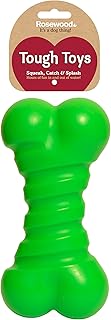
Best Dog Toys for Small Breeds at Home: Complete Guide to Indoor Entertainment
Small breed dogs have unique characteristics and needs that distinguish them from their larger counterparts, particularly when it comes to selecting appropriate toys for indoor entertainment. These pint-sized companions often possess outsized personalities, high energy levels, and specific physical requirements that must be carefully considered when choosing toys for home use. Unlike large breed dogs who might have access to expansive yards, small dogs frequently spend the majority of their time indoors, making toy selection crucial for their mental stimulation, physical exercise, and overall wellbeing. Understanding the distinct needs of small breeds—including their delicate bone structure, heightened prey drive, and tendency toward boredom—forms the foundation for creating an engaging indoor environment that promotes healthy development and prevents destructive behaviors that can emerge from inadequate stimulation.
The importance of proper toy selection for small breeds cannot be overstated, as these dogs often face unique challenges in indoor environments. Their compact size means they require less space for exercise, but their high metabolism and active minds demand consistent engagement to prevent anxiety, excessive barking, and destructive chewing behaviors. Small breed dogs also tend to have longer lifespans than larger breeds, making long-term mental health and cognitive function preservation essential considerations. Additionally, many small breeds were originally developed for specific working purposes—such as ratting, hunting, or companionship—and retain strong instinctual drives that must be satisfied through appropriate play activities. The confined nature of indoor living can either support or hinder these natural behaviors depending on the quality and variety of available toys and activities.
Understanding Small Breed Characteristics
Small breed dogs typically weigh under 25 pounds and possess distinct physiological and psychological traits that directly impact toy selection and play preferences. Their smaller jaw size and delicate dental structure require toys that are appropriately scaled to prevent injury while still providing adequate chewing satisfaction. Many small breeds exhibit higher energy levels per pound of body weight compared to larger dogs, necessitating toys that can provide intense mental and physical stimulation within limited space constraints. Their heightened alertness and sensitivity to environmental changes often translate to strong preferences for interactive toys that engage their natural curiosity and intelligence. Understanding these breed-specific characteristics helps owners select toys that not only entertain but also support healthy development and natural behavioral expression.
The psychological profile of small breed dogs often includes heightened territorial instincts, strong bonding tendencies with their owners, and increased susceptibility to separation anxiety—all factors that influence optimal toy selection for home environments. Many small breeds demonstrate remarkable intelligence and problem-solving abilities that require sophisticated mental challenges to prevent boredom and associated behavioral issues. Their compact size often correlates with increased agility and quick reflexes, making them well-suited for toys that reward speed and precision rather than brute strength. Additionally, small breeds frequently exhibit strong prey drives and hunting instincts despite their diminutive stature, requiring toys that satisfy these natural behaviors in safe, appropriate ways within the home setting.
Safety Considerations for Small Breed Toys
Safety represents the paramount concern when selecting toys for small breed dogs, as their delicate physical structure and tendency to be more vulnerable to choking hazards require extra vigilance from pet owners. Toy size must be carefully calibrated to prevent swallowing while ensuring the item isn't so large as to be intimidating or difficult to manipulate with smaller mouths and paws. Materials used in toy construction become especially critical for small breeds, as their faster metabolisms can accelerate the absorption of any toxic substances they might ingest during play. Sharp edges, small detachable parts, and poorly constructed seams pose heightened risks for small dogs who might be more likely to successfully destroy toys and access potentially dangerous internal components.
The supervision requirements for small breed toy play often exceed those necessary for larger dogs due to their increased vulnerability and tendency to engage in more intensive chewing and manipulation behaviors. Owners must regularly inspect toys for signs of wear that might create hazards, including loose threads, cracking materials, or emerging sharp edges that could cause injury to delicate mouth tissues. The rapid play style common among small breeds can accelerate toy deterioration, making frequent replacement necessary to maintain safety standards. Additionally, the home environment itself presents unique safety considerations, as small dogs playing with toys near furniture, stairs, or other household features may face increased injury risks due to their size and enthusiastic play behaviors.
Interactive Puzzle Toys for Mental Stimulation
Interactive puzzle toys represent one of the most valuable categories of entertainment for small breed dogs, providing essential mental stimulation that can exhaust even the most energetic small dog more effectively than purely physical exercise. These toys challenge cognitive abilities through problem-solving requirements that tap into natural intelligence and curiosity, helping prevent boredom-related behavioral issues common in under-stimulated small breeds. The compact nature of most puzzle toys makes them ideal for home use, requiring minimal space while delivering maximum engagement value. Many puzzle toys can be adjusted for difficulty levels, allowing owners to progressively challenge their dogs and maintain long-term interest in the same toy through evolving complexity.
The variety of puzzle toy designs available ensures options suitable for different personality types and skill levels common among small breed dogs. Treat-dispensing puzzles combine mental challenge with food motivation, creating powerful engagement that can occupy dogs for extended periods while providing portion-controlled feeding opportunities. Sliding puzzle toys require dogs to manipulate various components to access hidden treats, developing problem-solving skills while satisfying natural foraging instincts. Multi-level puzzle toys offer increasingly complex challenges that can grow with a dog's developing abilities, providing long-term value and sustained interest. The relatively quiet operation of most puzzle toys makes them especially suitable for apartment living and close-quarters situations common in small breed households.
Advanced puzzle toys designed specifically for small breeds often incorporate multiple sensory elements, combining visual, tactile, and olfactory challenges that provide comprehensive mental stimulation within compact designs. Some puzzle toys feature adjustable difficulty settings that allow owners to customize challenges based on their dog's current skill level and attention span, preventing frustration while maintaining appropriate challenge levels. The social aspect of puzzle toy interaction—where owners can participate in the problem-solving process—strengthens human-dog bonds while providing shared entertainment experiences particularly valuable for small breeds who often form intense attachments to their human companions. Regular rotation of different puzzle types prevents habituation and maintains the novel challenge essential for continued cognitive engagement.
Plush and Comfort Toys
Plush toys serve multiple important functions for small breed dogs, providing comfort, companionship, and safe outlets for natural behaviors like carrying, shaking, and gentle chewing that fulfill instinctual needs without causing household disruption. The soft textures and familiar scents of well-loved plush toys can provide significant emotional comfort, particularly for small breeds prone to separation anxiety or stress-related behaviors. Many small dogs develop strong attachments to specific plush toys that serve as transitional objects, providing security and comfort during alone time or stressful situations. The appropriate size and construction of plush toys for small breeds must balance durability with safety, ensuring toys can withstand enthusiastic play while avoiding materials that might pose ingestion hazards.
People Also Look For:
- Barkbox Super Chewer Tough Dog Chew Toys for Aggressive Chewers, Plush 2 Toys in 1 (Potato - Small)
- KONG Extreme Dog Toy - Fetch & Chew Toy For Power Chewers - Treat Dispenser - Durable Natural Rubber Material - For Large Dogs
- Speedy Panther Indestructible Dog Rope Toys for Large Aggressive Chewers, Tough Dog Chew Toy, 90cm 5 Knots Tug of War Toys for Tee...
- Carllg Dog Chew Toys for Aggressive Chewers, Indestructible Tough Durable Squeaky Interactive Dog Toys, Puppy Teeth Chew Corn Stic...
- Paws Paradise DOG FRISBEE/RING FLYER DOG PUPPY FETCH TOY PINK/BLUE (PINK)
The selection of plush toys should consider the specific behavioral tendencies of individual small breed dogs, as some may treat these items as gentle companions while others might engage in more aggressive play that requires more durable construction. High-quality plush toys designed for small breeds often feature reinforced seams, securely attached components, and materials that can withstand regular washing to maintain hygiene standards essential for items that receive frequent mouth contact. The variety of textures, sizes, and designs available in plush toys allows owners to identify specific preferences and provide variety that maintains interest over time. Some plush toys incorporate squeakers or crinkle materials that add auditory stimulation, though these features require careful monitoring to ensure small components don't become accessible if the toy is damaged.
Comfort toys specifically designed for small breeds often incorporate features like removable covers for easy washing, multiple texture zones for varied sensory input, and sizes optimized for carrying and cuddling by smaller dogs. The emotional benefits of appropriate plush toys extend beyond simple entertainment, potentially reducing anxiety, providing comfort during weather-related stress, and offering safe outlets for nurturing behaviors common in many small breeds. Owners should establish routines for regularly cleaning and inspecting plush toys to maintain both hygiene and safety, while also recognizing when beloved toys need retirement due to excessive wear that might create hazards. The introduction of new plush toys should be gradual and supervised to ensure they meet safety standards and align with individual dog preferences and play styles.
Chew Toys for Dental Health
Dental health maintenance represents a critical aspect of small breed care, as these dogs are particularly susceptible to dental issues including tartar buildup, tooth loss, and gum disease that can lead to serious health complications if left unaddressed. Appropriate chew toys provide essential dental benefits by helping remove plaque, massage gums, and satisfy natural chewing instincts in ways that support rather than damage delicate small breed dental structures. The selection of chew toys must carefully balance hardness levels that provide cleaning benefits without risking tooth fractures or damage to sensitive mouth tissues common in smaller dogs. Understanding the specific dental needs and limitations of small breeds helps owners select chew toys that maximize benefits while minimizing risks associated with inappropriate hardness or sizing.
The variety of chew toy materials available offers different benefits and considerations for small breed dental health, from natural options like appropriately sized raw bones to manufactured alternatives designed specifically for smaller mouths and gentler chewing pressure. Rope toys can provide excellent dental benefits through their flossing action, though they require monitoring to ensure small fibers don't create ingestion hazards. Rubber chew toys designed for small breeds often incorporate dental-friendly textures and appropriate hardness levels while maintaining durability sufficient for regular use. Edible chew options must be sized appropriately for small breeds to prevent choking while providing adequate chewing time to deliver dental benefits.
The timing and supervision of chew toy use becomes particularly important for small breed dogs who may approach chewing with intensity that could lead to overconsumption or rapid destruction of inappropriate toys. Owners should establish regular schedules for chew toy rotation to maintain interest while allowing for proper inspection and replacement of worn items. The dental benefits of chew toys are maximized when combined with regular veterinary dental care and daily tooth brushing, creating comprehensive dental health maintenance particularly crucial for small breeds prone to dental issues. Monitoring individual dog responses to different chew toy materials and textures helps identify optimal options while avoiding those that might cause digestive upset or other adverse reactions.
Exercise and Activity Toys
Small breed dogs require regular physical exercise despite their compact size, and appropriate activity toys can provide essential movement opportunities within the confines of indoor environments where these dogs typically spend most of their time. The high energy levels characteristic of many small breeds demand creative solutions for indoor exercise that account for space limitations while providing adequate physical stimulation to maintain health and prevent behavioral issues. Activity toys designed for small breeds often focus on encouraging natural movement patterns like chasing, jumping, and quick directional changes that align with their natural agility and energy levels. Understanding the exercise needs of specific small breeds helps owners select activity toys that provide appropriate physical challenges without overwhelming smaller physical structures.
Fetch toys scaled appropriately for small breeds can provide excellent indoor exercise opportunities when selected with proper size and weight considerations that prevent injury while encouraging enthusiastic play. Lightweight balls designed for indoor use minimize household disruption while providing the movement and chase satisfaction that small dogs crave. Rope toys and tug toys offer interactive exercise opportunities that strengthen human-dog bonds while providing resistance exercise that builds muscle strength appropriate for smaller frames. The key to successful indoor activity toys lies in selecting items that encourage sustained movement periods rather than brief bursts of activity, helping small breeds expend energy in healthy ways.
Interactive activity toys that respond to dog movement—such as motion-activated toys or those that move unpredictably—can provide extended exercise sessions that maintain engagement through novelty and challenge. These toys often prove particularly effective for small breeds with high prey drives, channeling hunting instincts into healthy physical activity within safe indoor environments. The relatively quiet operation required for indoor activity toys leads to innovative designs that provide exercise benefits without creating noise disturbances problematic in close living quarters. Owners should consider the available space, flooring types, and household dynamics when selecting activity toys, ensuring chosen options provide adequate exercise opportunities without creating hazards or disruptions that might limit their regular use.
Electronic and Battery-Operated Toys
Electronic toys designed for small breed dogs offer sophisticated entertainment options that can provide extended engagement through automated movement, sound production, and interactive features that maintain novelty over extended periods. These toys often prove particularly valuable for busy households where owners cannot provide constant interactive play, offering independent entertainment that keeps small dogs mentally stimulated and physically engaged during alone time. The technology incorporated into modern electronic dog toys ranges from simple motion activation to complex programming that creates varied play experiences, preventing the predictability that might cause dogs to lose interest in traditional static toys. Safety considerations for electronic toys include ensuring all battery compartments are secure and inaccessible, while also monitoring for any signs of malfunction that might create hazards.
The variety of electronic toy options available for small breeds includes motion-activated toys that respond to dog interaction, self-moving toys that encourage chase behaviors, and sound-producing toys that provide auditory stimulation without requiring owner participation. Some electronic toys incorporate treat dispensing mechanisms that combine mental challenge with food motivation, creating powerful engagement tools that can occupy intelligent small breeds for extended periods. The battery life and replacement requirements of electronic toys should be considered in terms of long-term cost and convenience, with rechargeable options often providing better value despite higher initial investment costs. Noise levels produced by electronic toys must be appropriate for indoor use and considerate of neighboring households in apartment or close-quarters living situations.
Advanced electronic toys may incorporate smartphone connectivity, allowing owners to interact with their pets remotely or monitor play sessions through integrated cameras and communication systems. These features prove particularly valuable for small breeds prone to separation anxiety, providing comfort and interaction opportunities even when owners are away from home. The durability requirements for electronic toys differ from traditional toys due to their internal components, requiring manufacturers to balance entertainment features with construction that can withstand enthusiastic small breed play styles. Regular maintenance of electronic toys, including cleaning, battery management, and safety inspections, ensures continued safe operation and extends the useful life of these typically more expensive entertainment options.
DIY and Homemade Toy Options
Creating homemade toys for small breed dogs offers cost-effective alternatives to commercial options while allowing customization for specific individual preferences and needs that might not be addressed by mass-produced toys. Common household items can be safely repurposed into engaging toys with proper attention to safety considerations and understanding of what materials are appropriate for dog interaction. Simple DIY options include fabric braiding for tug toys, cardboard puzzle boxes for treat hiding, and frozen treat toys made from safe ingredients that provide both entertainment and nutritional value. The creative process of making DIY toys also allows owners to involved family members in pet care while demonstrating resourcefulness and environmental consciousness through repurposing household materials.
Safety considerations for DIY toys require even greater attention than commercial alternatives, as homemade items lack the safety testing and quality control measures inherent in professionally manufactured pet products. Materials used must be verified as non-toxic and appropriate for dog interaction, with particular attention to avoiding items that might splinter, create choking hazards, or contain harmful substances when chewed or ingested. Construction techniques should prioritize durability and safety over aesthetic appeal, ensuring all components are securely attached and unable to separate during vigorous play. Regular inspection of DIY toys becomes especially crucial given the variability in construction quality and materials that might degrade differently than purpose-built commercial options.
The customization possibilities inherent in DIY toy creation allow owners to address specific behavioral needs, preferences, and physical requirements that commercial toys might not accommodate. Size adjustments can be precisely calibrated for individual dogs, while difficulty levels can be customized for specific intelligence and skill levels that might fall outside standard commercial toy parameters. Scent incorporation through safe household items can create personalized engagement that leverages individual dog preferences for enhanced entertainment value. The process of creating and testing DIY toys also provides valuable insights into dog preferences and behaviors that can inform future commercial toy purchases, creating a comprehensive understanding of individual entertainment needs and preferences.
Toy Rotation and Management
Effective toy rotation represents a crucial strategy for maintaining long-term engagement and preventing boredom in small breed dogs who often demonstrate high intelligence and rapid habituation to unchanging environments. The principle behind toy rotation involves periodically removing and reintroducing toys to maintain novelty and interest that might otherwise diminish with constant availability. Small breed dogs often show particular sensitivity to environmental changes and may demonstrate renewed enthusiasm for previously ignored toys when they are reintroduced after periods of absence. The optimal rotation schedule varies depending on individual dog personality, but most small breeds benefit from weekly or bi-weekly toy rotation that ensures constant availability of engaging options without overwhelming choice paralysis.
The management system for toy rotation should account for different categories of toys, ensuring rotation maintains variety in terms of interactive challenges, physical activity opportunities, comfort items, and chewing options throughout each rotation period. Some toys may require more frequent availability—such as comfort items for anxious dogs or dental chews for dogs with specific health needs—while others benefit from strategic limitation that maintains their special appeal. The storage and organization of rotated toys requires consideration of cleanliness, accessibility, and condition monitoring to ensure all items remain safe and appealing when reintroduced. Documentation of rotation schedules and dog responses helps optimize the system over time and identifies toys that maintain long-term appeal versus those that might need replacement or modification.
Advanced toy rotation strategies might incorporate seasonal considerations, activity level matching, and behavioral modification goals that leverage the psychological impact of novelty and availability on small breed behavior patterns. Owners might strategically introduce specific toys during challenging periods such as weather-related confinement, schedule changes, or stressful household situations to provide additional comfort and distraction. The social aspects of toy rotation can also be leveraged to strengthen human-dog bonds through the presentation ceremony of "new" toys and collaborative play sessions that celebrate the reintroduction of previously stored items. Regular evaluation of rotation effectiveness helps identify optimal strategies while ensuring the system continues to meet evolving needs as dogs mature and develop changing preferences and requirements.
Budget-Friendly Options
Providing quality entertainment for small breed dogs doesn't require significant financial investment, as many effective toy options can be implemented through creative resourcefulness, strategic shopping, and understanding of what features truly matter for small breed engagement and safety. Budget-conscious owners can focus on versatile toys that serve multiple functions—such as puzzle toys that also provide chewing opportunities or comfort items that double as interactive play objects. Understanding the essential features that provide value allows owners to prioritize spending on toys that deliver maximum benefit while exploring cost-effective alternatives for supplementary entertainment options. The key lies in balancing economy with safety and effectiveness, ensuring that budget constraints don't compromise the quality of engagement or safety standards essential for small breed wellbeing.
Strategic shopping approaches can significantly reduce toy costs through timing purchases around sales events, buying seasonal items during off-peak periods, and taking advantage of bulk purchasing opportunities when appropriate. Many pet supply retailers offer loyalty programs and regular discount opportunities that can substantially reduce costs for households committing to long-term pet ownership expense planning. Online marketplaces often provide competitive pricing and bulk options, though buyers must carefully verify safety standards and quality ratings when purchasing from unfamiliar suppliers. The total cost of ownership should include factors like durability and replacement frequency, as slightly more expensive initial purchases might provide better long-term value through extended useful life and reduced replacement needs.
Community resources and creative alternatives can provide access to quality toy options without full retail pricing, including pet swap groups, gently used pet supply stores, and community craft projects that involve making toys for local animal shelters and pet owners. Some pet supply stores offer toy exchange programs or discounts for returned toys in good condition, creating circulation systems that benefit multiple pet households while reducing individual costs. The DIY approach mentioned earlier becomes particularly valuable for budget-conscious households, allowing creativity and resourcefulness to substitute for purchasing power while potentially creating customized solutions that exceed commercial alternatives in terms of individual dog satisfaction and engagement value.
Signs of Toy Wear and Replacement Needs
Recognizing when toys need replacement represents a critical safety and effectiveness consideration for small breed dog owners, as worn toys can transition from beneficial entertainment to potential hazards without obvious warning signs that might be apparent with casual observation. Visual inspection should occur regularly and focus on identifying loose components, frayed materials, sharp edges, and structural integrity issues that might create injury risks or provide access to potentially dangerous internal materials. Small breed dogs often demonstrate more intensive interaction with toys due to their high energy levels and enthusiastic play styles, potentially accelerating wear patterns and necessitating more frequent monitoring than might be required for larger, less intensive players. Understanding the specific wear patterns associated with different toy materials and construction methods helps owners anticipate replacement needs before safety issues develop.
Behavioral changes in how dogs interact with specific toys can indicate wear or degradation that might not be immediately visible but affects the toy's safety or entertainment value. Dogs who suddenly lose interest in previously favored toys might be responding to changes in texture, scent, or structural integrity that alter the play experience in undesirable ways. Conversely, dogs who begin interacting with toys more aggressively or attempting to access internal components might be responding to loosening construction that creates new access points to previously secured interior materials. Careful observation of play patterns and interaction changes helps identify deterioration in its early stages when replacement can be planned rather than necessitated by emergency safety concerns.
Hygiene considerations also factor into replacement decisions, as toys that cannot be adequately cleaned or have absorbed odors, stains, or bacterial contamination might need replacement regardless of structural integrity. Small breed dogs who frequently mouth their toys may create hygiene challenges that require more frequent replacement cycles to maintain healthy play environments. The cost-benefit analysis of toy replacement should consider not only the price of new toys but also the potential health costs associated with continued use of deteriorating items. Establishing regular replacement schedules for different toy categories helps ensure consistent availability of safe, engaging entertainment while allowing for budget planning that accommodates the ongoing costs associated with maintaining appropriate toy selections for small breed dogs.
Summary
Selecting appropriate toys for small breed dogs in home environments requires careful consideration of unique physical characteristics, safety requirements, and behavioral needs that distinguish these companions from their larger counterparts. The combination of mental stimulation through puzzle toys, physical activity through appropriately sized exercise toys, comfort through plush options, and dental health through safe chewing alternatives creates comprehensive entertainment programs that support overall health and wellbeing. Safety considerations must prioritize appropriate sizing, non-toxic materials, and regular inspection protocols that account for the intensive play styles and vulnerability factors common among small breeds. Effective toy management through rotation systems, budget-conscious purchasing strategies, and timely replacement protocols ensures sustained engagement while maintaining safety standards essential for small breed health. The investment in appropriate toy selection pays dividends through improved behavior, enhanced human-dog bonding, better physical health, and the prevention of destructive behaviors that can emerge from inadequate mental and physical stimulation in intelligent, energetic small breed dogs living in confined indoor environments.