The Psychology Behind Your Dog's Favorite Toy
Have you ever wondered why your dog gravitates towards a certain toy over others? It's not just by chance that your furry friend has a favorite plaything. Dogs, like humans, have preferences and behaviors that influence their choice of toys. Understanding the psychology behind your dog's favorite toy can help you select the best toys for your canine companion.
1. Comfort and Familiarity
Just like children, dogs find comfort in the familiar. Your dog's favorite toy may be one that they've had since they were a puppy or one that smells like home. Dogs are creatures of habit, and having a familiar toy can provide a sense of security and comfort, especially when they are feeling anxious or stressed.
2. Texture and Sensory Stimulation
Dogs experience the world through their senses, and toys that offer different textures can provide sensory stimulation. Whether it's a squeaky toy that makes noise, a soft plush toy for cuddling, or a durable chew toy for teething, the texture of a toy can play a significant role in your dog's preference for it.
3. Play Style and Energy Level
Every dog has a unique play style and energy level. Some dogs enjoy chasing and fetching balls, while others prefer tug-of-war games. Understanding your dog's play preferences can help you choose toys that cater to their specific needs and keep them engaged and entertained.
People Also Look For:
- 1Pc Yellow Pet Dog Puppy Latex Corn Shape Squeaky Bite-Resistant Interactive Play Chew Toy Pet Supplies Dog Toy Corn, Dog Toys Agg...
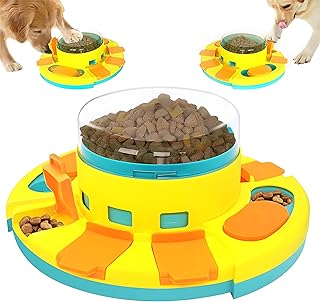
- CHEWFFON Dog Toy, Dog Puzzle Snuffle Treat Dispensing Toys for Boredom, Durable Interactive Chew Toys, Hide and Seek Nose Work Pup...
- Nuts For Knots 16009 Figure of 8 Rope Dog Toy, Large,Multi
- Chuckit! Paraflight Dog Toy Floating Flying Disc Fetch Play Tossing Frisbee Toy for Dogs, Large
- Trixie Dog Activity Dog Disc Bite-Proof, 23 cm- Random
4. Size and Shape
The size and shape of a toy can also influence your dog's preference for it. Dogs have different jaw strengths and chewing styles, so it's essential to select toys that are the right size and shape for your dog. Toys that are too small can pose a choking hazard, while toys that are too big may not be enjoyable for your dog to play with.
5. Scent and Taste
Dogs have a keen sense of smell, and toys that emit a scent or taste can be particularly appealing to them. Scented toys can engage your dog's sense of smell and make playtime more enjoyable. Additionally, toys that are flavored can encourage your dog to chew and play with them for longer periods.
6. Interactive and Puzzle Toys
Interactive and puzzle toys are not only fun for dogs but also provide mental stimulation and enrichment. These types of toys can help keep your dog's mind sharp and prevent boredom. Dogs enjoy the challenge of figuring out how to access treats or solve puzzles, making interactive toys a favorite among many pups.
7. Durability and Longevity
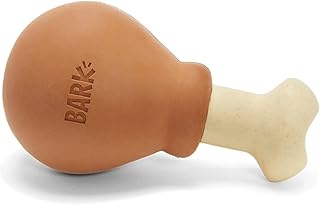
Dogs are natural chewers, and toys that are durable and long-lasting are often preferred by dogs. Toys that can withstand rough play and chewing are more likely to become your dog's favorite. Investing in high-quality toys that are built to last can save you money in the long run and keep your dog entertained for hours on end.
8. Social and Emotional Bonding
Toys can also play a significant role in social and emotional bonding between you and your dog. Playing with your dog and their favorite toy can strengthen your bond and create positive associations with playtime. Dogs are social animals that enjoy interacting with their human companions, and toys can facilitate this interaction and strengthen your relationship.
9. Novelty and Variety
While dogs may have a favorite toy, introducing new toys and rotating them regularly can prevent boredom and keep playtime exciting. Dogs, like humans, can get tired of playing with the same toy repeatedly. Providing your dog with a variety of toys can keep them engaged and curious, stimulating their mind and preventing destructive behavior.
10. Personal Preference and Individuality
Ultimately, your dog's favorite toy is a matter of personal preference and individuality. Just like humans, dogs have unique personalities, likes, and dislikes. Observing your dog's behavior and preferences can help you understand what types of toys they enjoy the most. Pay attention to how your dog interacts with different toys to determine which ones are their favorites.
By understanding the psychology behind your dog's favorite toy, you can choose toys that cater to their specific needs and preferences. Whether it's a plush toy for cuddling, a durable chew toy for teething, or an interactive puzzle toy for mental stimulation, selecting the right toys can enhance your dog's playtime experience and strengthen your bond with them.